When you’re locked in on something creative, really locked in, everything else disappears. The world narrows. The edges blur. You chase the thing in front of you until it’s finished.
That’s where I’ve been.
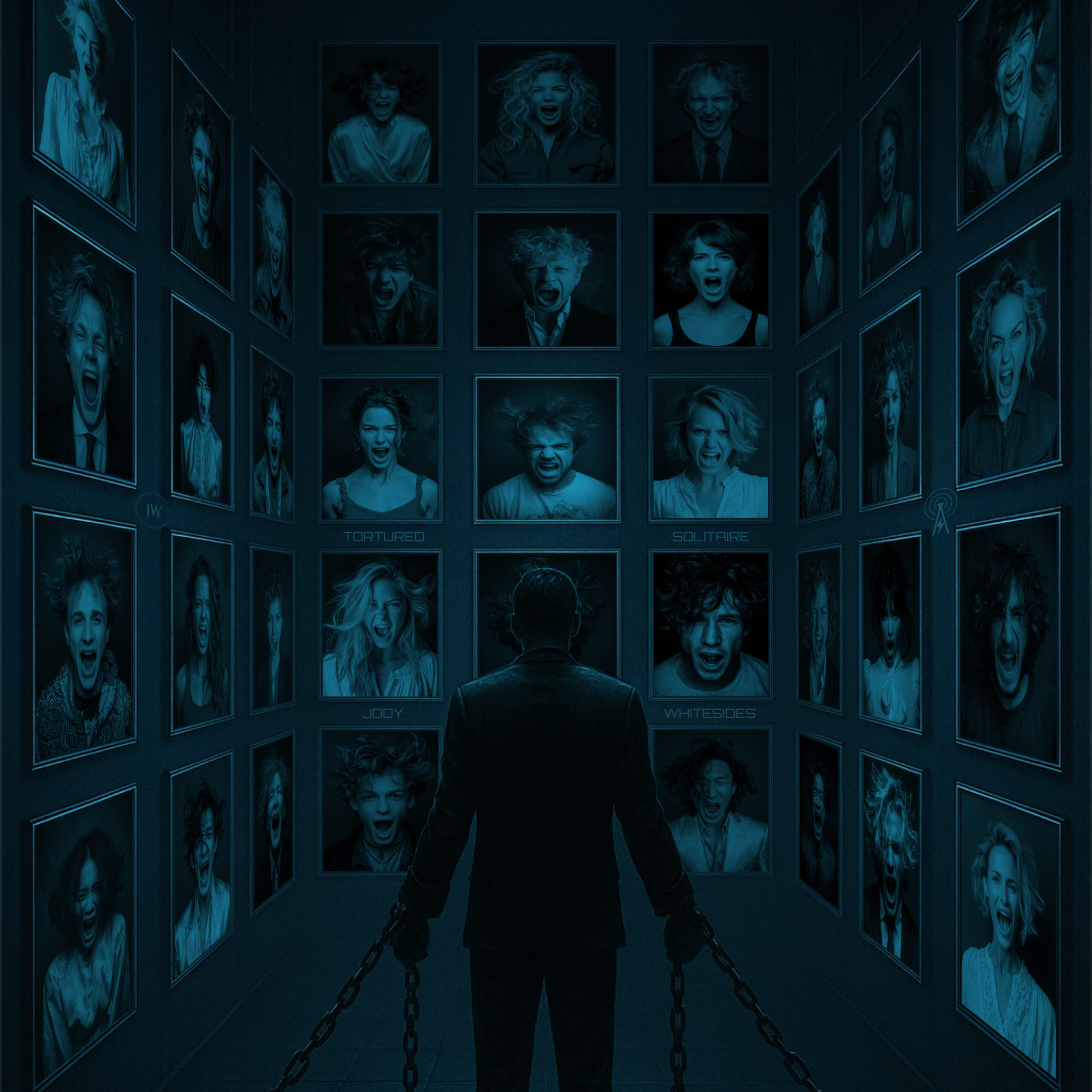
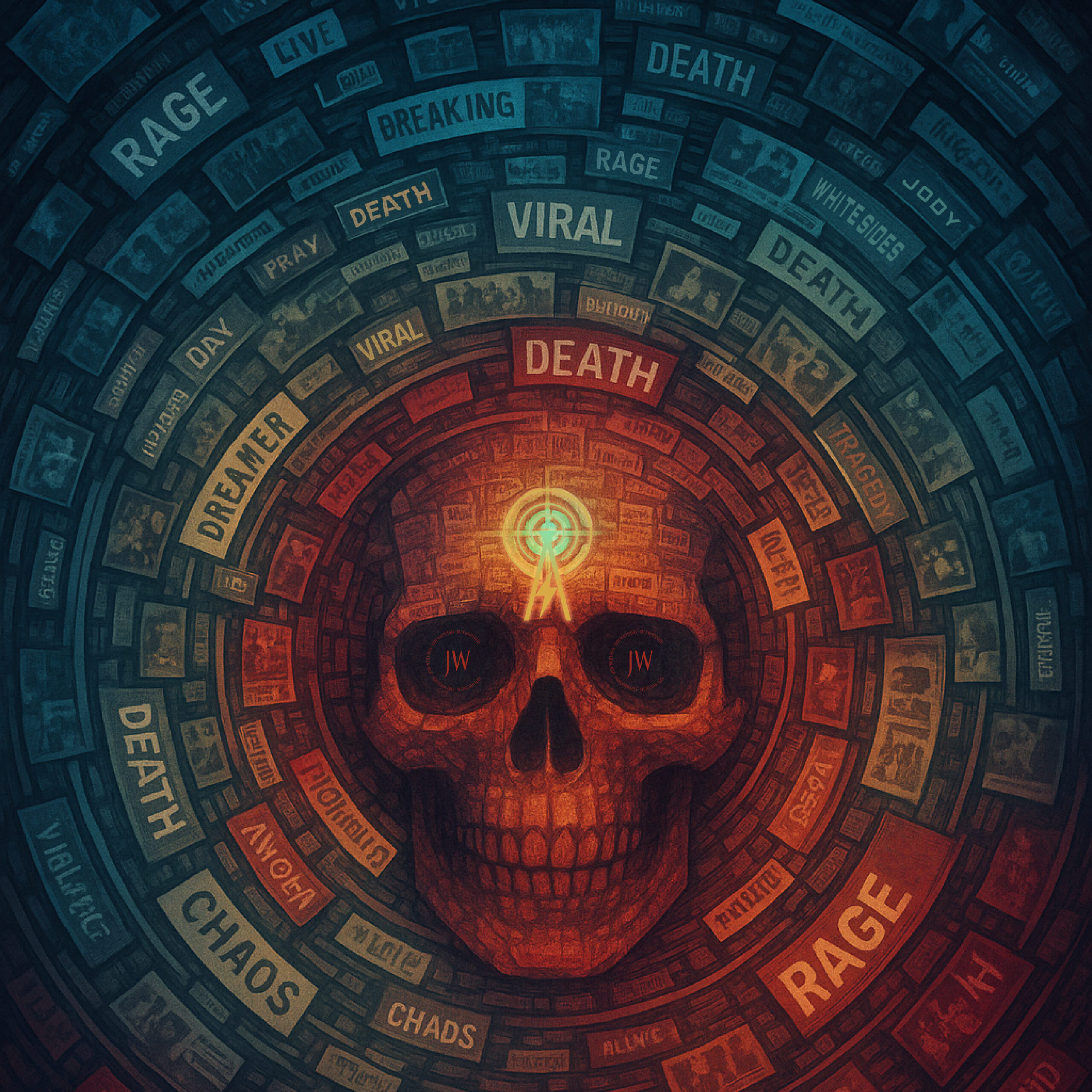
Deep inside these animated covers. Pushing them further. Making them more ambitious. Trying to make each one feel like the visual equivalent of what the song does in your chest.
And then I got a reminder.
A simple email.
A reminder that songs don’t just live in speakers. They live in paperwork. In publishing. In the invisible systems that make sure the art survives long term.
I’d put it off too long.
So I shifted.
Two full days pulling metadata, organizing releases, updating publishing, the kind of work nobody sees, but the kind that protects the future of the songs. Because if you ignore that side of things, eventually the art loses leverage.
That’s the double edge of focus.
When it’s good, it’s laser precision.
When it’s bad, you forget the rest of the battlefield exists.
But something interesting happened in the middle of that shift.
I pulled out a book I started years ago.
It’s not fiction. It’s connected to what’s coming in late 2026. And reading through it again cracked open a door I hadn’t stepped through in a while.
Memories.
Especially memories of recording this week’s release, Tortured Solitaire.
That song carries weight.
Some of it good. Some of it complicated. Some of it earned.
The new mix hits different.
But the Atmos version…
There’s a moment in it where the word “abuse” stretches into a long, suspended reverb tail. It hangs in the air longer than it used to. Technology finally lets it bloom the way I heard it in my head back then.
It’s smoother. Wider. Colder. Bigger.
It lingers.
And every time it happens, I get goosebumps.
That’s the moment I wait for.
Because that’s the point of all of this, when a sound doesn’t just play… it lands.
There’s nothing better than when a song does that to you.
If you’re the kind of person who wants to feel that in full detail, not compressed, not flattened, the studio WAV version is up now.
And there are seasons where you push everything forward at once.
This week feels like the latter.
While most people only see a song show up on Friday, what’s really happening is something bigger. The world around the music is shifting, visually, emotionally, and experientially, because the goal isn’t just to release songs.
It’s to give you something that stays with you.
You’ll notice it first in small ways.
If you hover over a song title on the site, the underline moves with intention now. It draws your eye. It invites you in. On your phone, those same titles are easier to tap, easier to explore. Lyrics and liner notes aren’t buried anymore, they’re right there, waiting.
Why does that matter?
Because songs aren’t background noise. They’re memory triggers. They’re the soundtrack to the drive you took when you needed to clear your head. The line you quoted in a text you never sent. The chorus you screamed in your car when nobody else understood what you were carrying.
When you click into the lyrics, you’re stepping deeper into that world. And it should feel effortless.
There’s also a new “Own It Now” button.
Not as a sales tactic. As a philosophy.
Streaming is convenient. But convenience rarely builds connection. Owning a song, downloading the full studio-quality version, is different. It’s a quiet decision that says, “This one matters.”
When you own it, it lives with you. No algorithm decides when you see it. No shuffle buries it. It’s yours.
And when you support directly, you’re not feeding a machine. You’re fueling the next creation.
That brings us to this week’s release: Death’s the Rage.
This isn’t just a repost of an old track.
It’s rebuilt. Remixed. Remastered. Released in Dolby Atmos.
If you’ve never sat in a room where music surrounds you, not just left and right, but above and around, you’re in for something rare.
Atmos isn’t louder.
It’s deeper.
The drums don’t just hit, they occupy space. The guitars don’t just layer, they breathe around you. The vocals aren’t sitting on top of the track. They’re inside it.
There’s a moment when the chorus lifts where it feels less like you’re listening to music and more like you’ve stepped into it.
That’s the point.
Because Death’s the Rage isn’t about chaos. It’s about confronting it. It’s about that internal storm, the frustration, the fight, the pressure, and choosing to move through it instead of letting it swallow you.
We all carry something.
Maybe it’s anger that never had a voice. Maybe it’s grief disguised as ambition. Maybe it’s the quiet determination to prove you’re still here.
This song meets you there.
But here’s the invitation:
Don’t stream it while you’re scrolling.
Don’t let it run in the background while you answer email.
Find a room. Turn the lights down. Sit between two good speakers, or put on headphones that actually do the song justice. Turn it up. Close your eyes.
Let it move.
Give it four minutes of your full attention.
Music used to demand that. Before playlists. Before skip buttons. Before distraction became default.
When you listen this way, something changes. The edges soften. The volume stops being noise and starts being immersion. The track stops being content and starts being experience.
That’s what this release is about.
Not quantity.
Not chasing streams.
Depth.
If you’ve been here a while, you know this isn’t a nostalgia act. It’s a rebuild with intention. A veteran craftsman sharpening the blade again. Every release is part of that discipline.
And if this music has meant something to you, if it’s helped you drive harder, think clearer, feel deeper, then step in closer.
Own it.
Play it loud.
And if you want to stand on the inside of this movement instead of the outside, join the Jody Army.
Not as a fan club gimmick.
As a signal.
That you’re here for music that still hits the chest. That still takes risks. That still asks you to feel something real.
New cities. Long conversations that stretch past midnight. Rooms where the volume is loud and the stakes feel real.
This past month has been full of that kind of movement. Travel. Time with friends who’ve been in the trenches as long as I have. The kind of energy that pulls you out of routine and reminds you why any of this matters in the first place.
And in the middle of it all was NAMM.
If you’ve never heard of it, it’s technically a music trade show. But what it really is, at least to me, is a reunion. A once-a-year collision of people who’ve shared stages, studios, road stories, and long stretches of silence in between.
Five minutes into walking the floor with Chris Hellstrom, we ran into Tariq Akoni, a guitarist whose resume reads like a who’s who. No planning. No texts. Just that instant recognition. The kind that says, You’re still in this. Good.
Most artists aren’t constantly surrounded by each other. The truth is quieter. We’re in our own silos, writing, recording, living life, sometimes seeing close friends once a year if we’re lucky.
So when you do connect, it lands different.
You hear what people have built. One friend who used to be the bass monster in a band is now composing horror anime music and becoming the go-to guy in that world. That kind of evolution doesn’t just inspire, it proves reinvention is always on the table.
More than once I heard some version of: “You said you were going to release a song a week. You actually did it.”
That meant something.
Because for the last couple of years, it probably looked like I disappeared.
I didn’t.
The quiet wasn’t absence. It was preparation, remixing, remastering, working in Dolby Atmos, so what you hear now hits harder. Not rushed. Sharpened.
And now people are seeing what that stretch was really about. Not retreat. Continuation.
That energy carried into the nights too. Whiskey with old friends. Honest talk about life, music, the chaos we’re all navigating. No stage lights. No agendas.
It’s funny how those conversations reset your internal compass. Even in a world that feels fractured and loud, there’s still laughter. Still connection. Still music that cuts through.
Then there were the shows.
One night at the House of Blues watching Metal Allegiance tear through a set that felt like a celebration of heavy music’s lineage. The highlight wasn’t just the legends, it was a younger band from South Florida that hit like a cross between Rage Against the Machine and Tool. Urgent. Focused. Hungry.
Another night was the NAMM Jam, a charity event packed with well-known players covering songs everyone in the room knew by heart. At one point a singer asked what key they were playing in and Nuno Bettencourt shot back: “In the key of Be Quiet.”
That’s the kind of moment you remember. Not because it’s polished, but because it’s human.
Here’s why that matters to you: the more alive I feel in those rooms, the more honest the songs become when they reach your ears. Energy transfers. Always has.
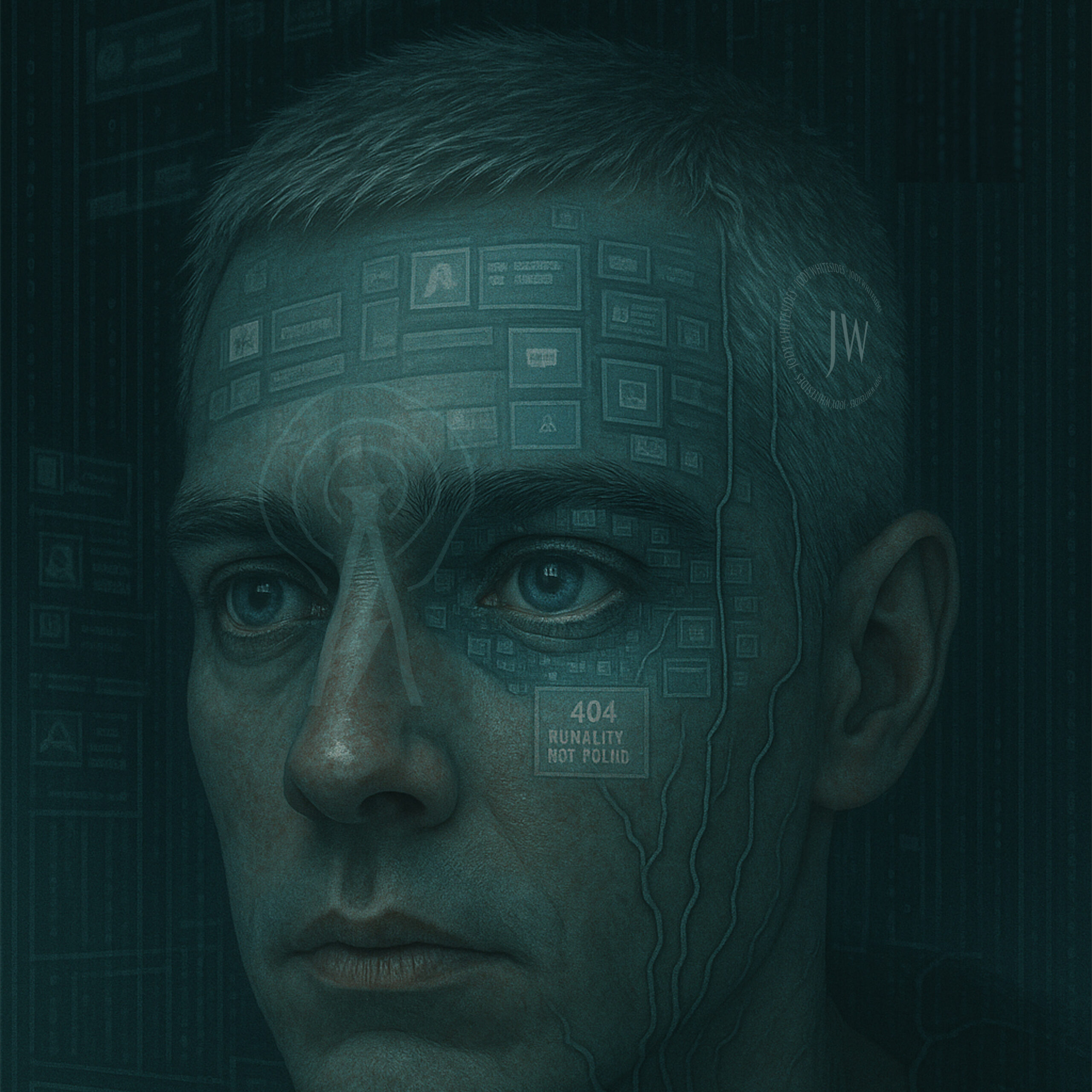
Which brings me to this week’s release: Vision.
I wrote it more than 25 years ago, a satirical jab at how easily people could be manipulated by television. How screens shape belief. How repetition becomes reality.
Now?
It feels less like satire and more like documentation.
Social media algorithms. AI-generated content. Manufactured outrage. Carefully edited narratives designed to make you believe, react, share. The lines between truth and performance blur faster every year.
Vision was written before all of that escalated, and somehow it speaks directly into this moment.
If you’ve ever felt overwhelmed by the noise… if you’ve ever wondered who’s really steering the narrative… if you’ve ever caught yourself scrolling and thought, How much of this is real?
This song is here when you need it.
It isn’t preachy. It isn’t political. It’s observational. A raised eyebrow set to a heavy, driving pulse that doesn’t sit in the background, it pushes. It lingers. It makes you pay attention.
Not distraction. Awareness.
When you press play on Vision, you’re not just hearing an old song polished up. You’re stepping into a conversation that’s been brewing for decades, one that feels more urgent now than it did then.
So here’s the invitation.
Put it in your ears. Let it under your skin. See what it stirs.
And if you want to stay connected, not just to the songs, but to the why behind them, the Jody Army list is where that happens. No spam. Just the signal.